


Architecting AI Systems: Breakthrough Together
My Role
Visual Design Direction, Creative Strategy, Design Execution
Scope
Campaign Visual System, Co-branded Storytelling, Presentations, Motion, Digital, and Environmental Applications
Collaborators
Samsung MarCom (Memory IMC: Kimberly Lien, Jieun Kim), Dell Technologies
Year
2026
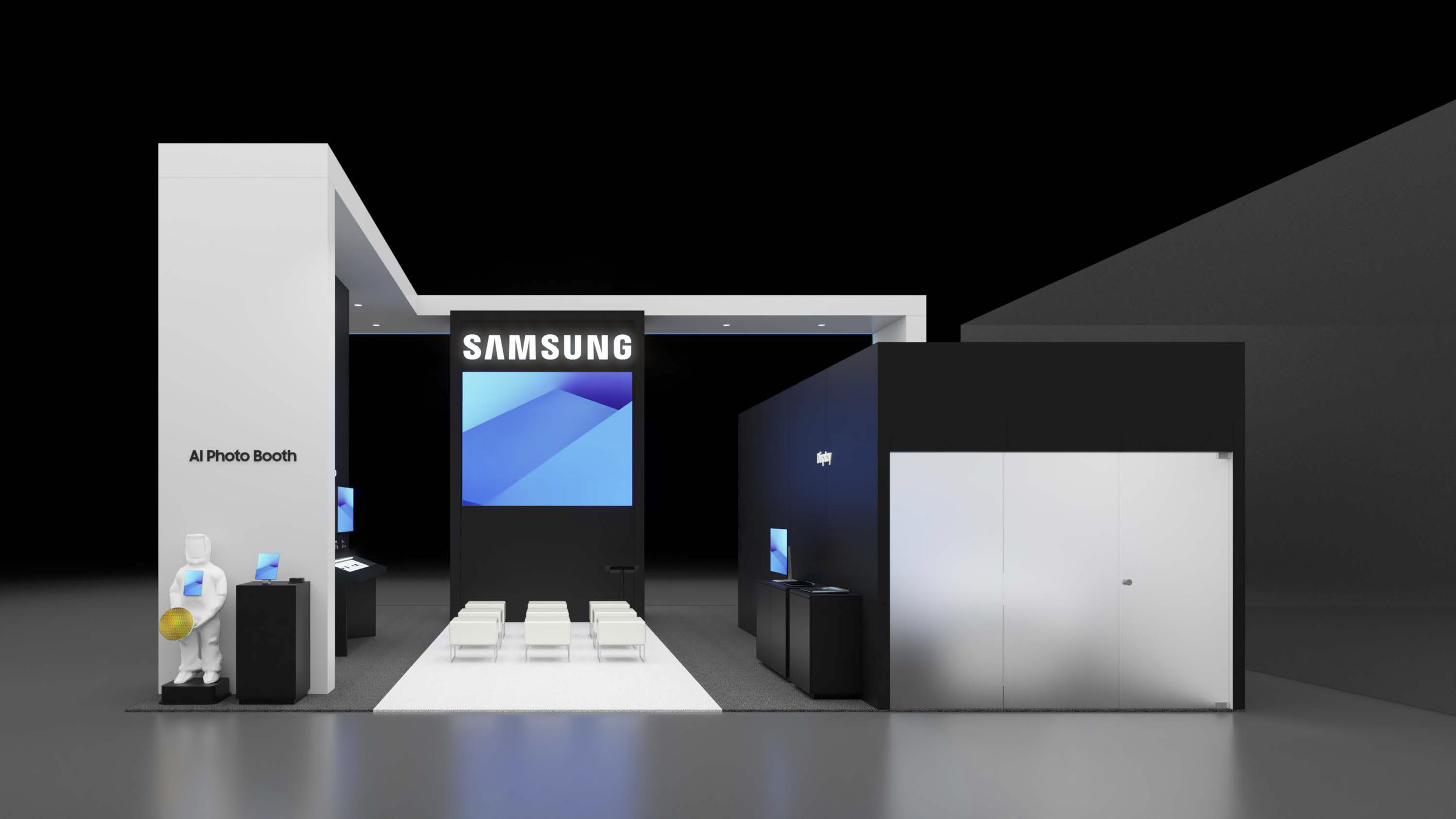
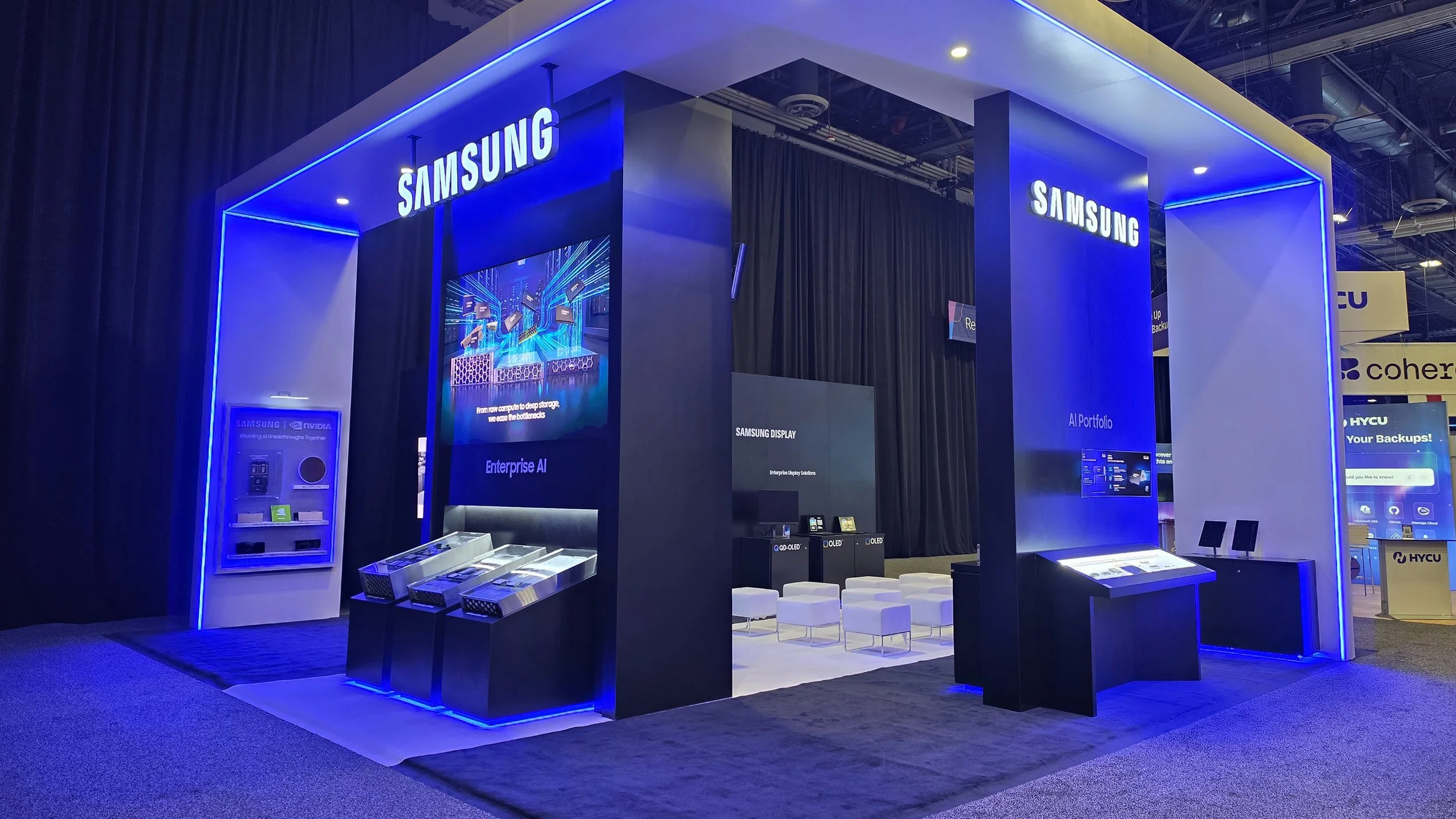
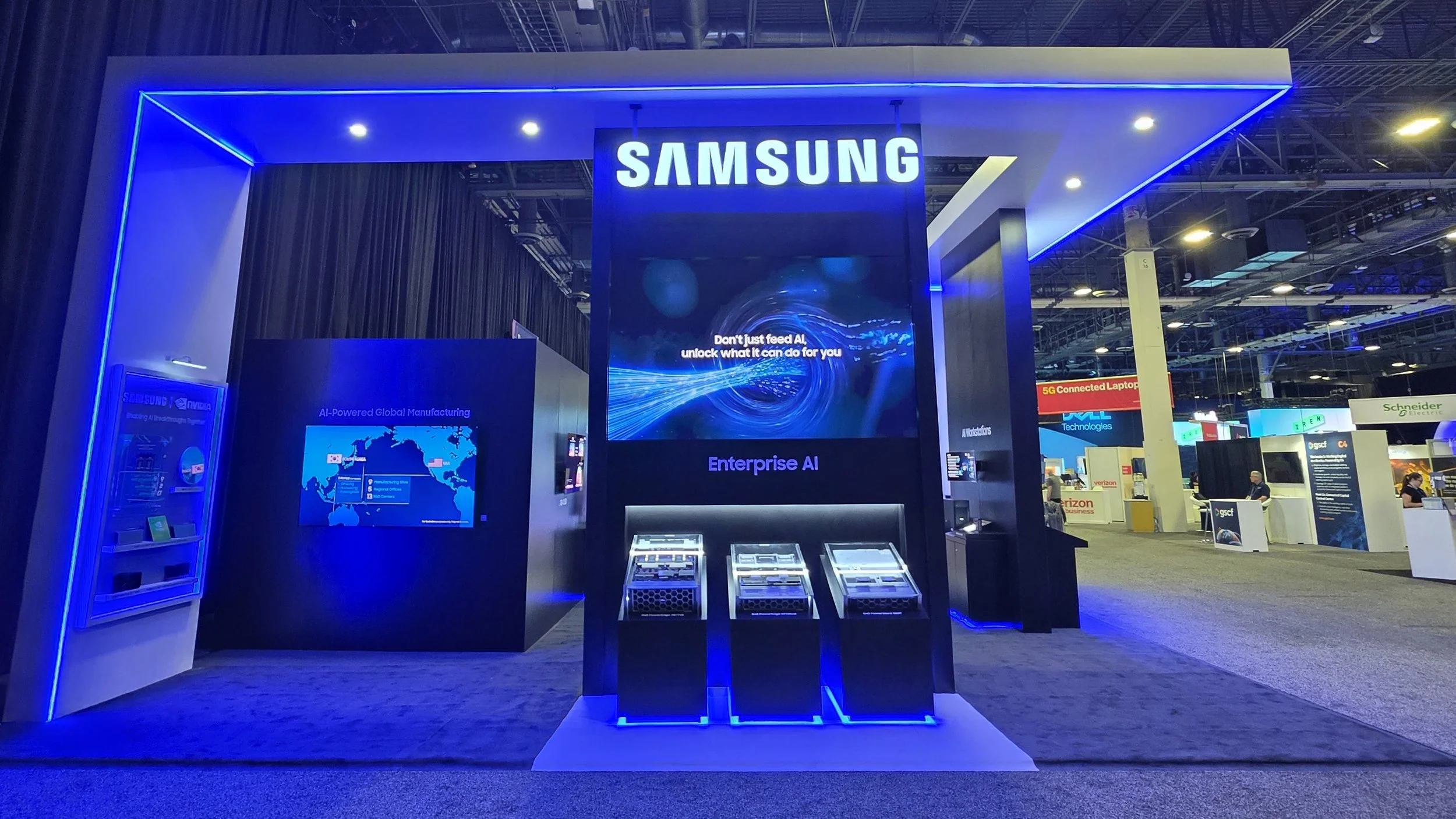
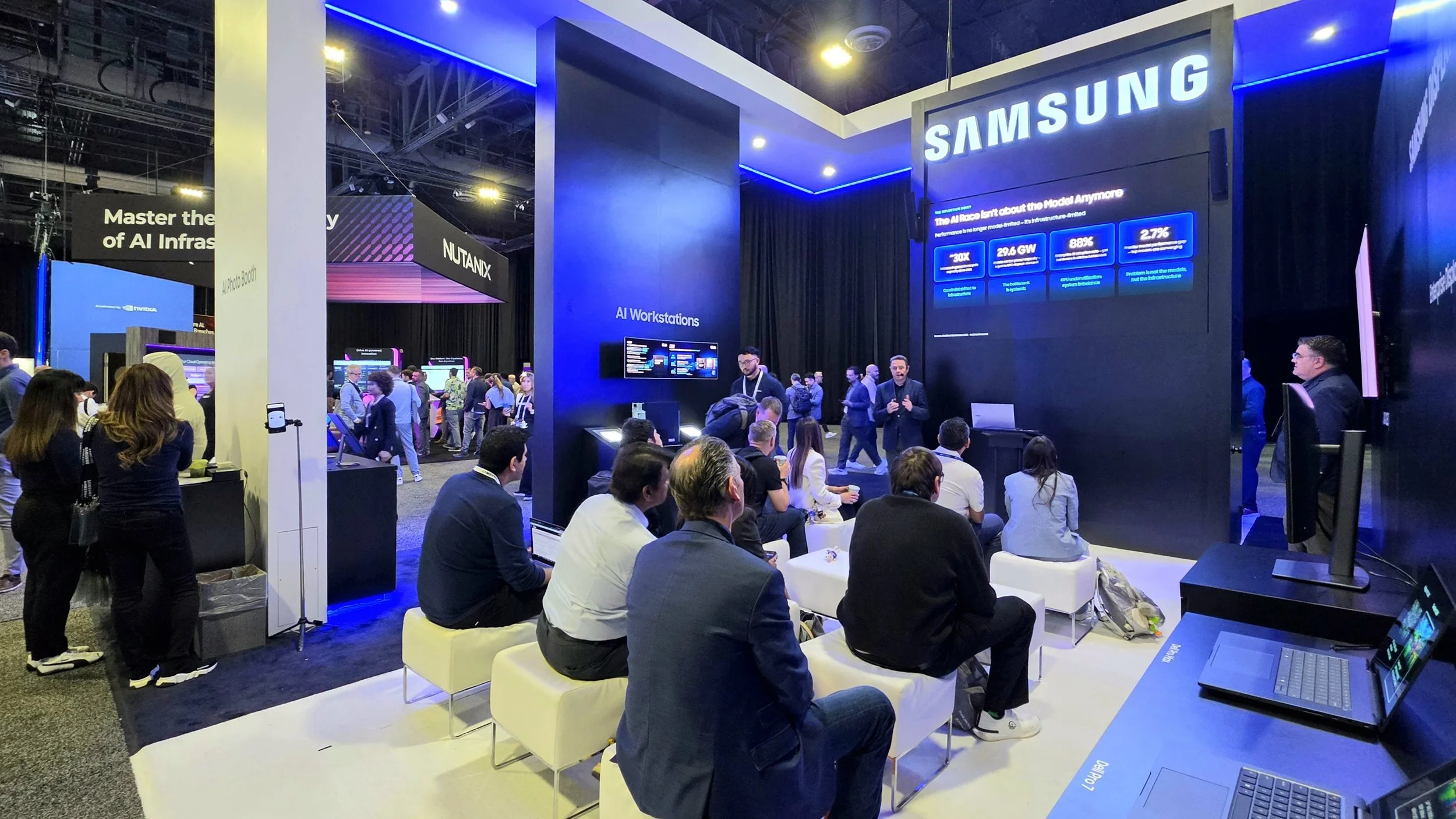
For Dell Technologies World 2026, I led the visual design direction for Samsung Semiconductor’s presence, and extended the “Architecting AI Systems” platform created for NVIDIA GTC into a partnership-focused chapter: “Breakthrough Together.” I built continuity across Samsung’s 2026 event calendar while adapting the system to the Dell context.
The Challenge
The challenge was to communicate the Samsung and Dell infrastructure partnership as one clear story. Samsung Memory and storage feeding the enterprise AI platforms where workloads run. The work needed to maintain a distinct Samsung identity within a co-branded environment while making hardware architecture relevant to enterprise decision-makers.
The Solution
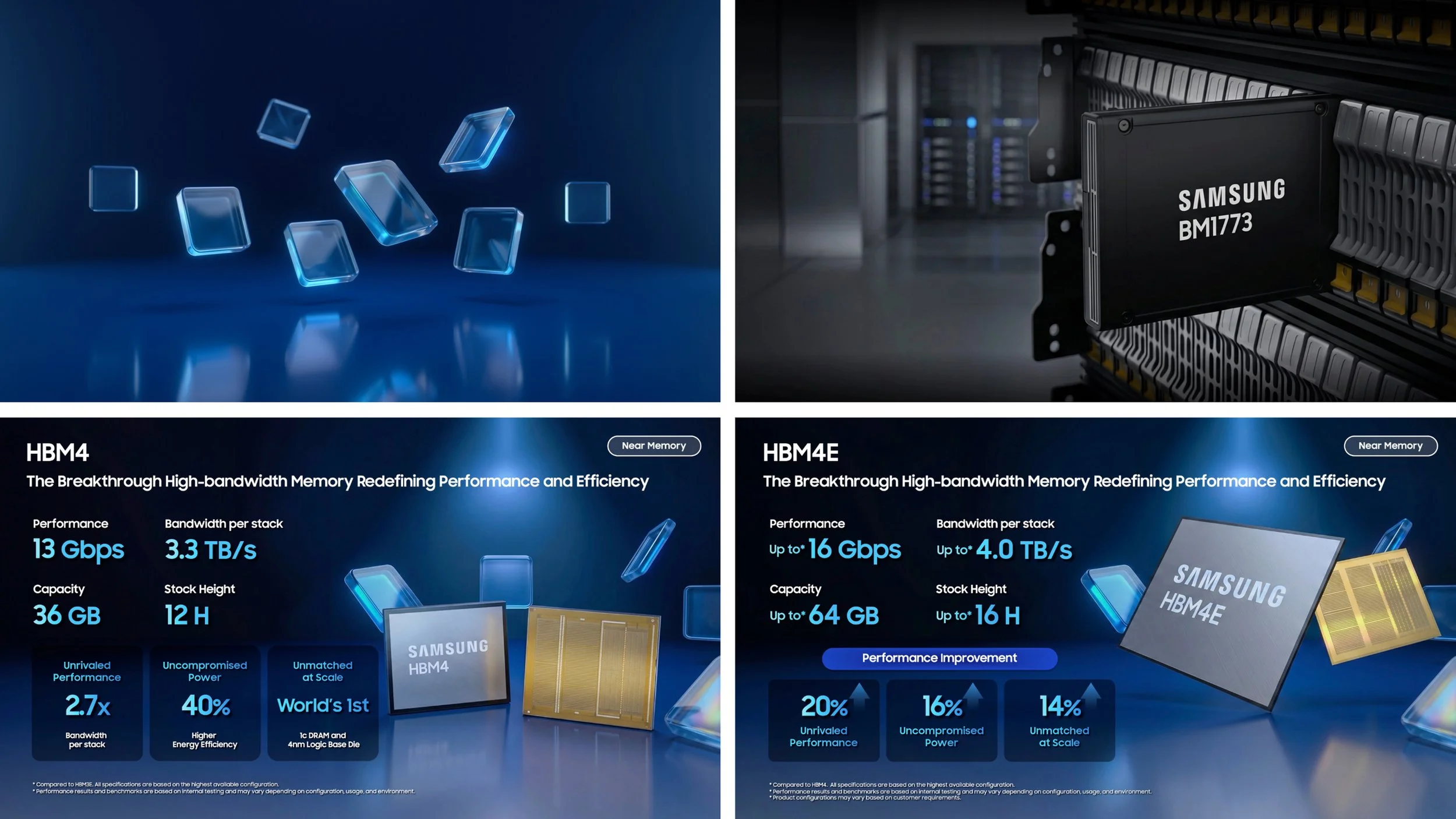
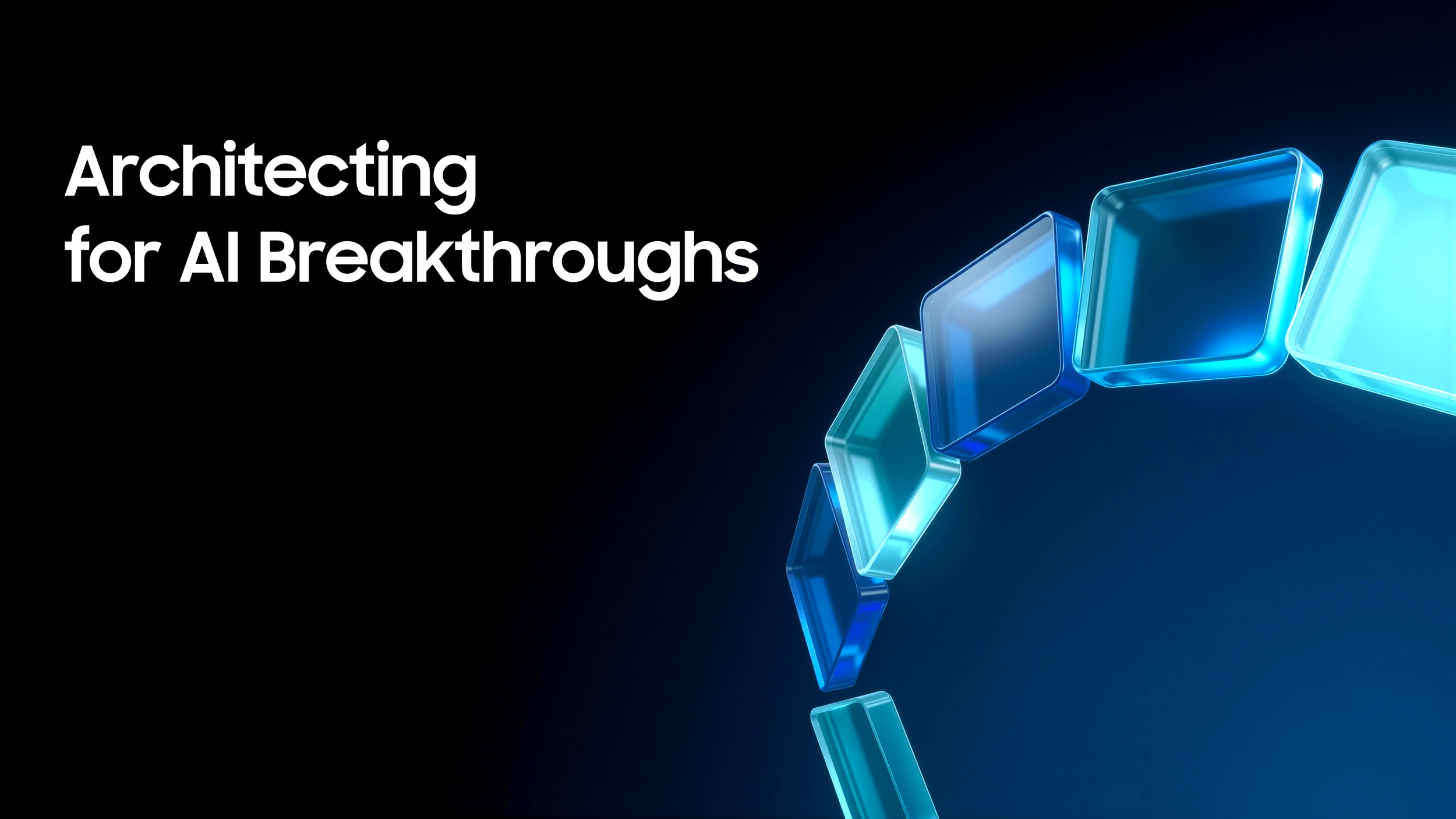
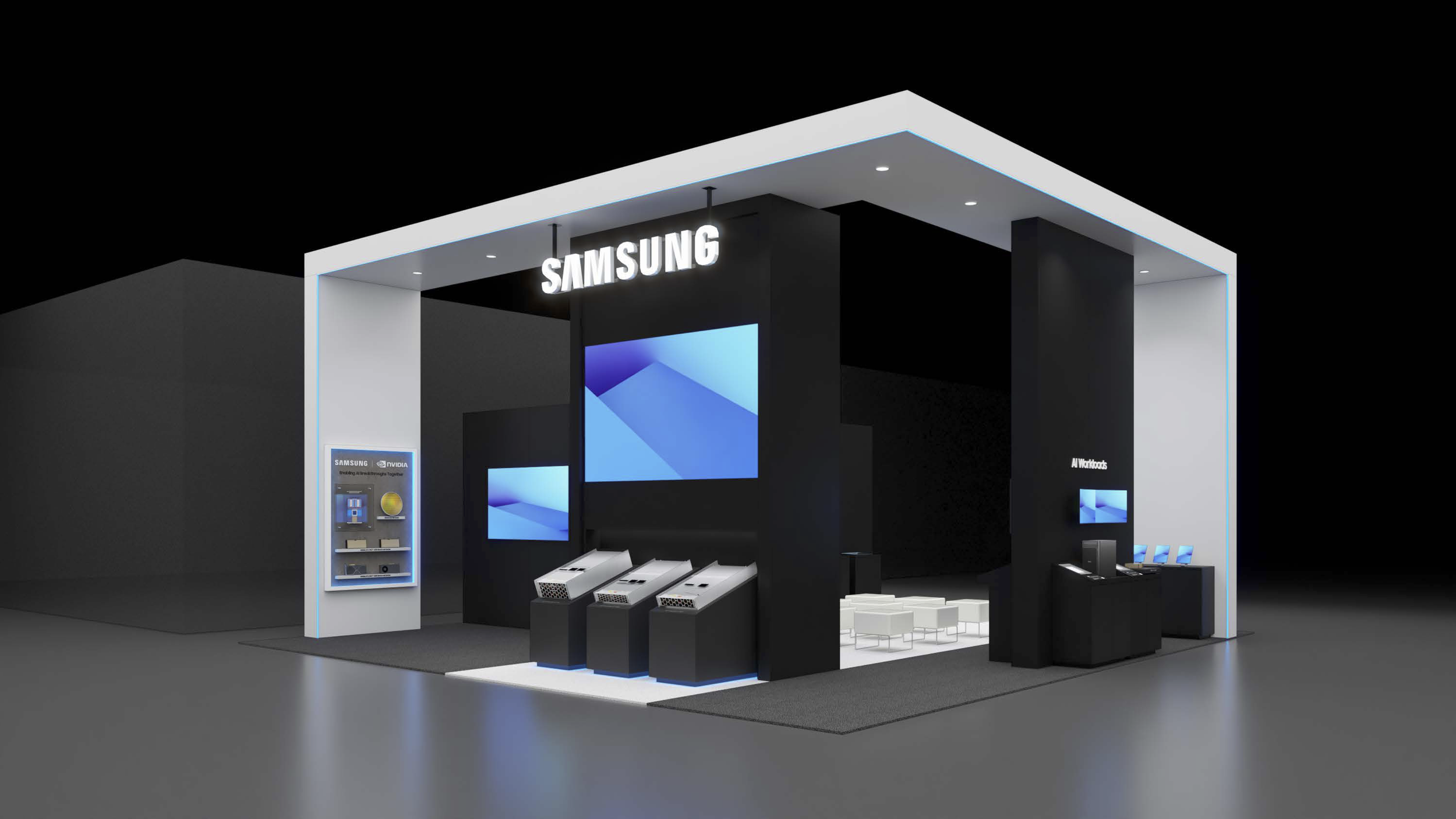
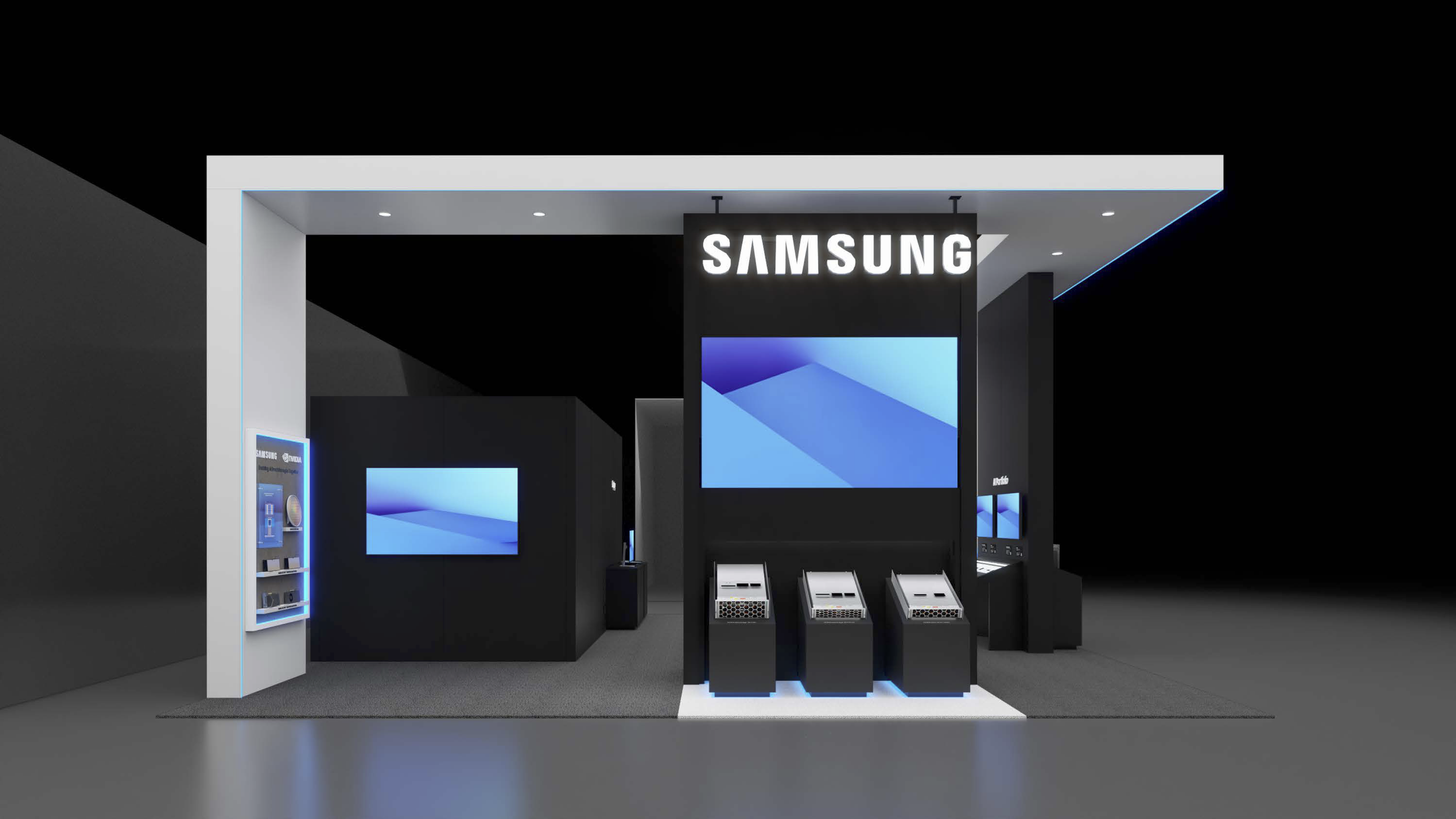
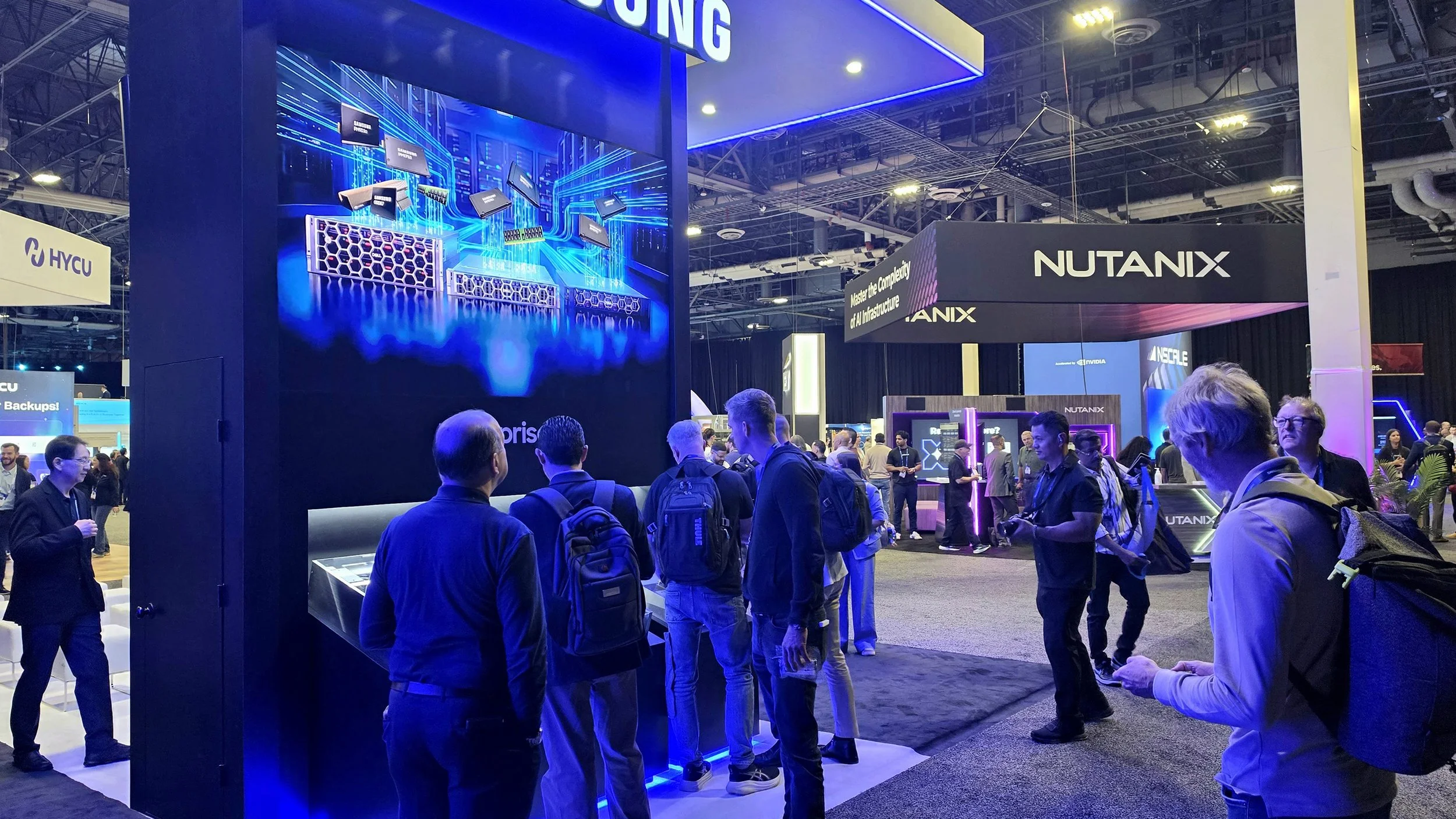
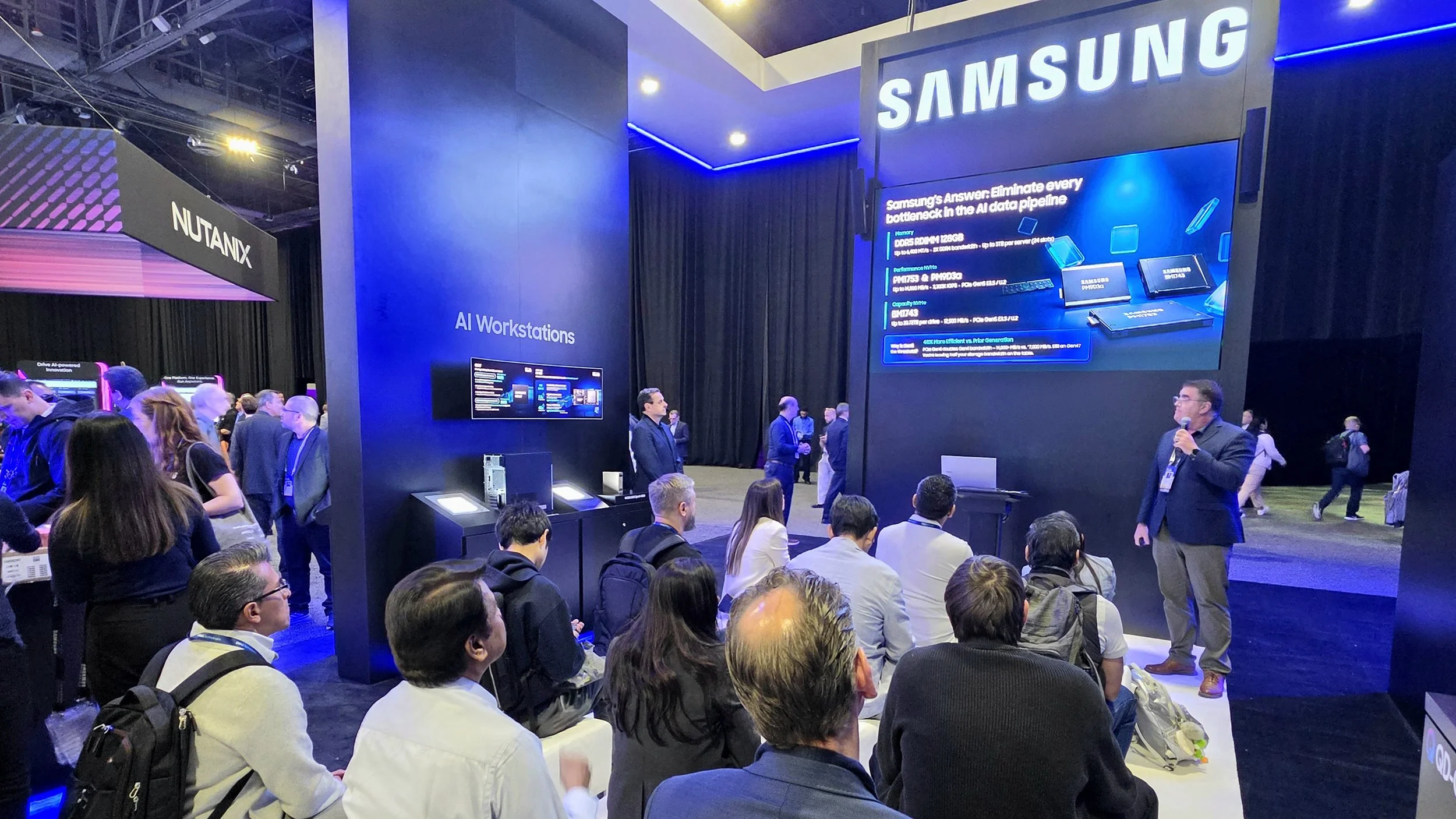
I evolved the GTC system through the “Breakthrough Together” narrative, adapting its modular layouts, spatial forms, and motion language across the co-presentation, breakout-session content, campaign film, digital assets, and environmental touchpoints. The system shifted attention from AI models to the infrastructure behind them to show how memory and storage affect utilization, performance, and scalability.
The Outcome
The project created a recognizable connection between Samsung’s NVIDIA GTC and Dell Technologies World presence while giving the partnership its own visual expression. It demonstrated that a flexible brand platform could build continuity across major industry moments.
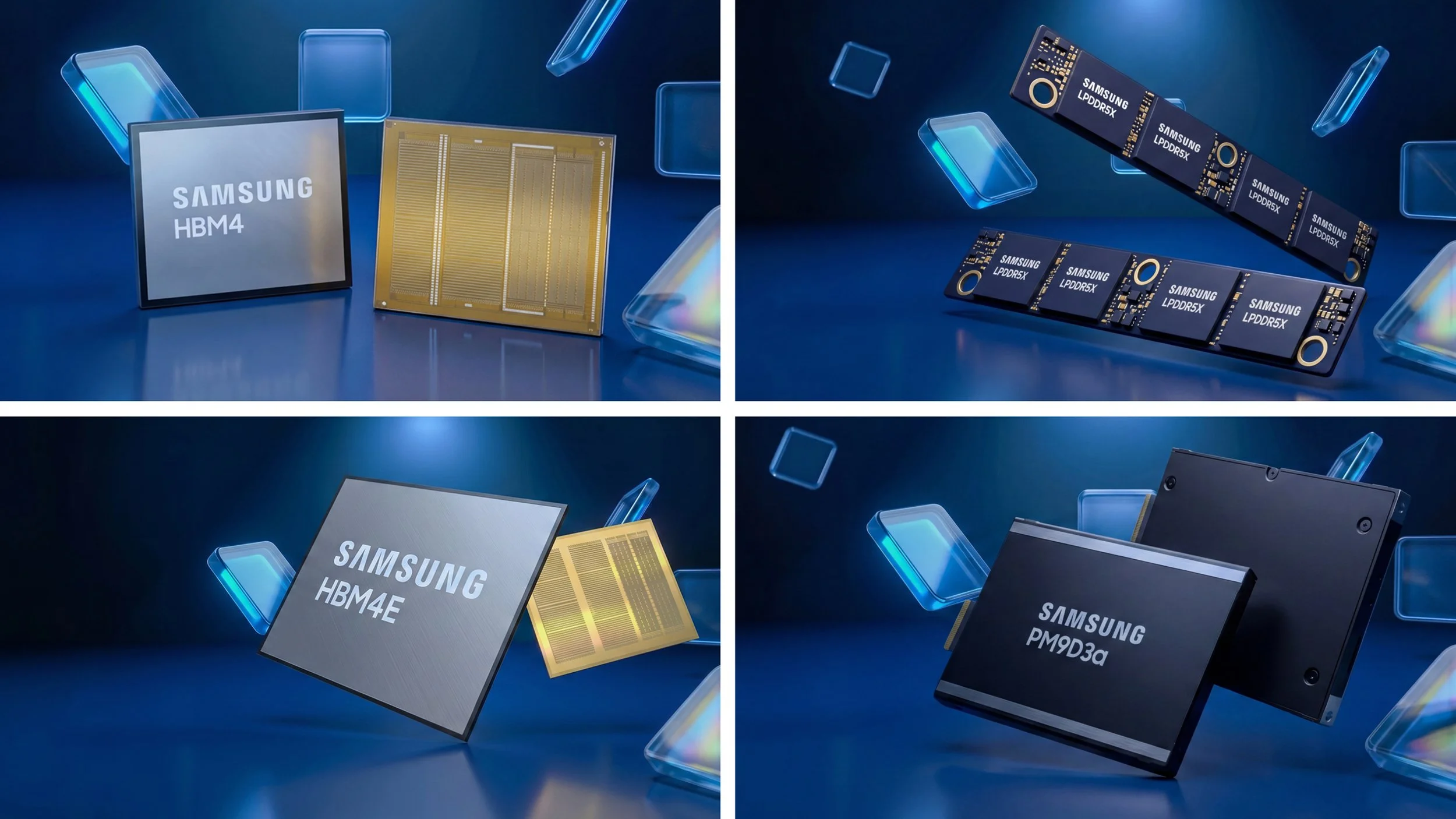
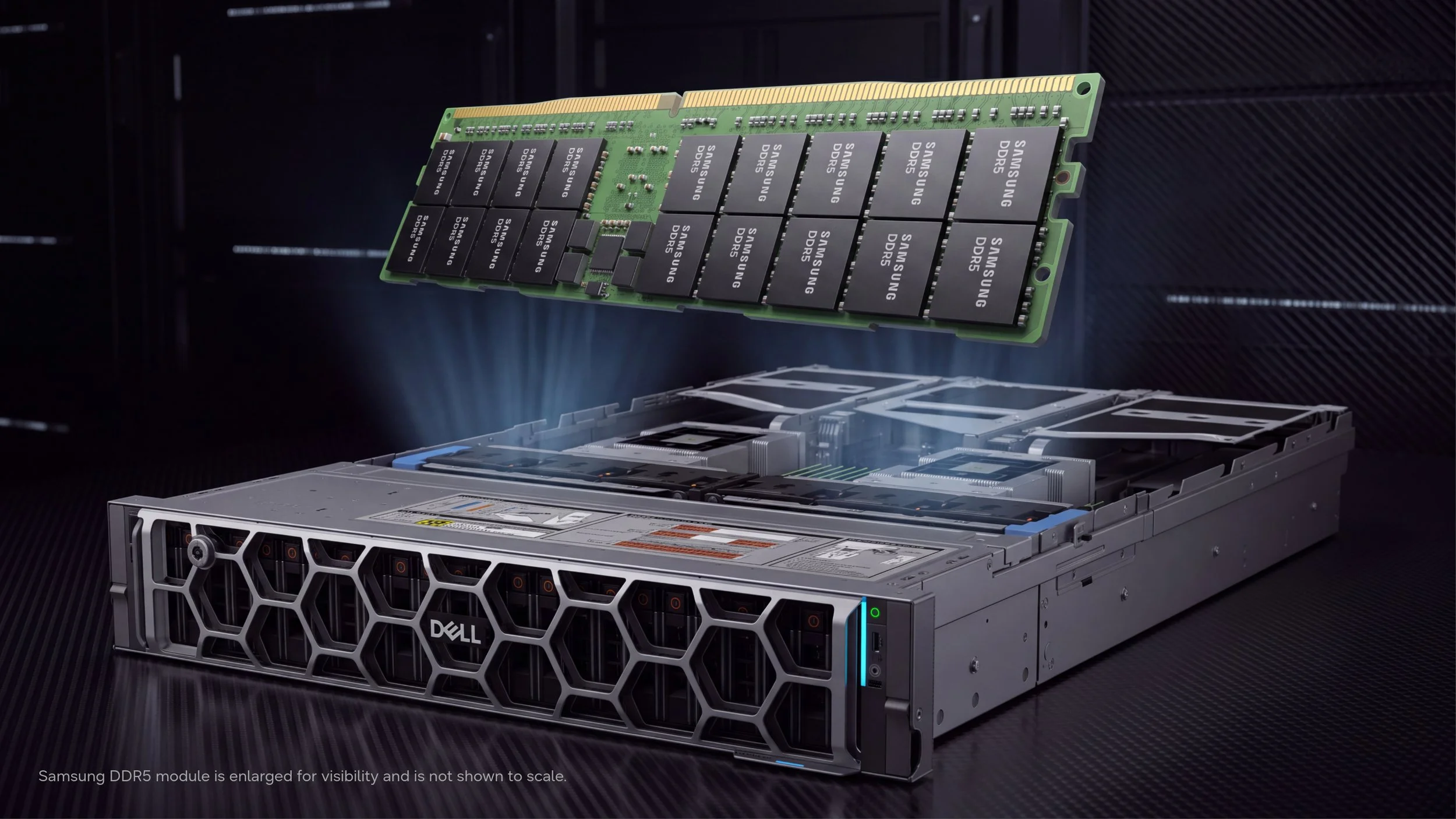
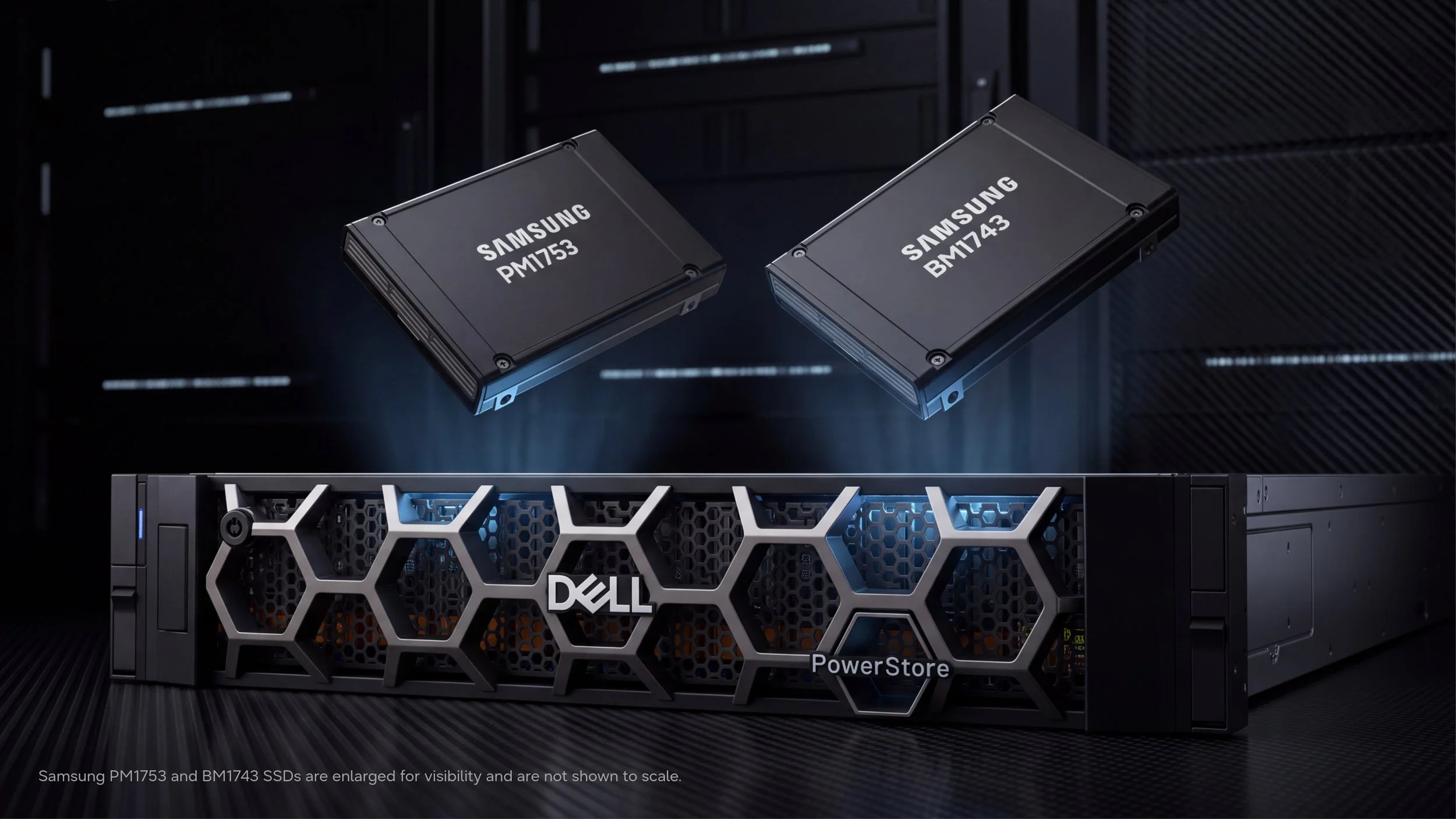
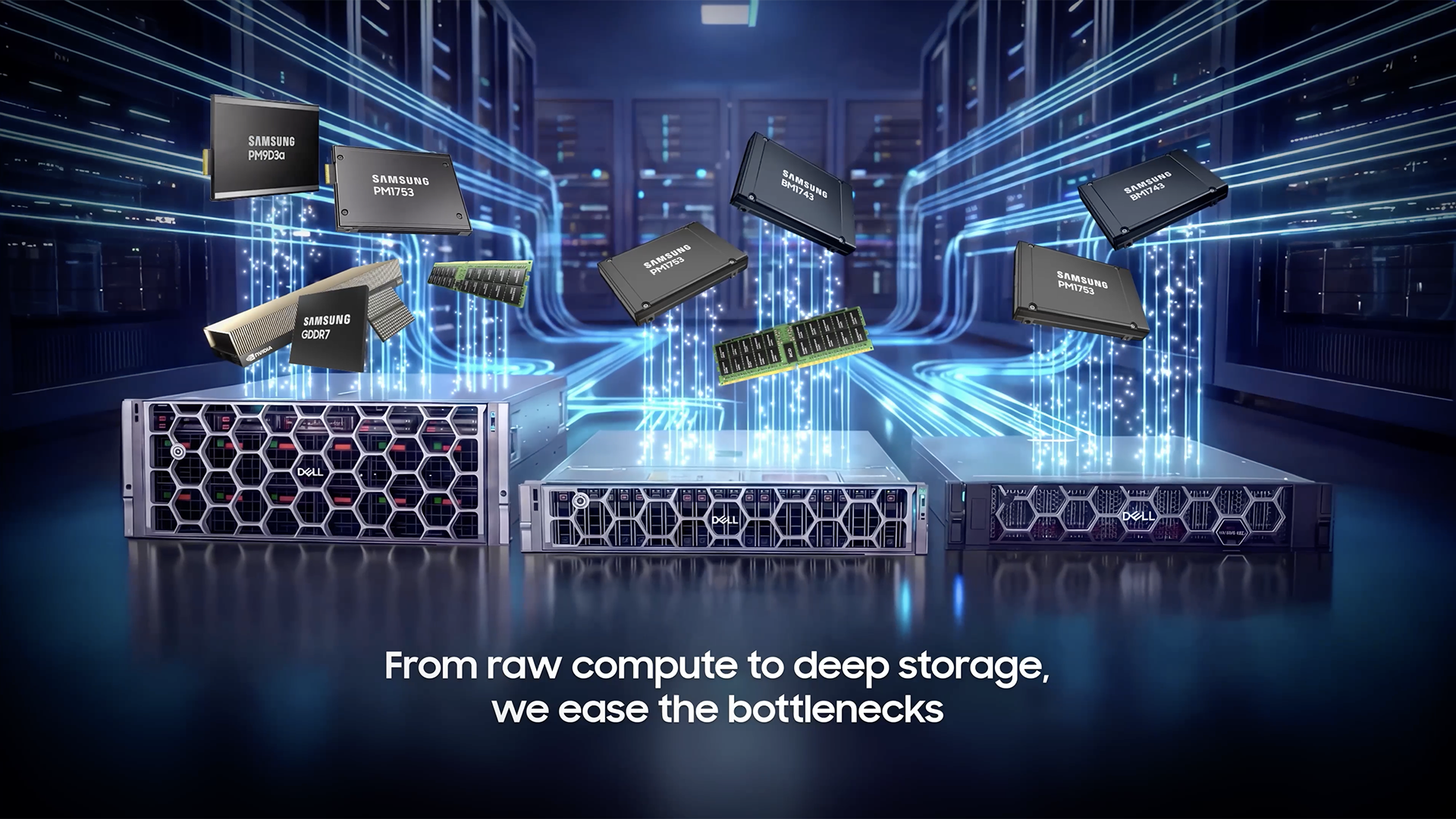
Samsung Semiconductor and Dell showed how the two companies jointly engineer AI-ready infrastructure, pairing Samsung's DRAM and NAND with Dell's enterprise platforms to deliver the performance, reliability, and scalability that enterprise AI demands. The narrative moved the conversation from models to the hardware beneath them, making the case that next-generation memory and storage are what keep GPUs and accelerators fully utilized as AI workloads scale.
Copyright © 2026 Samsung Electronics Co. Ltd. All Rights Reserved. Any use, copying, retention or disclosure by any person other than the intended recipient or the intended recipient's designers is strictly prohibited.
Project details are limited to protect confidential and proprietary information.
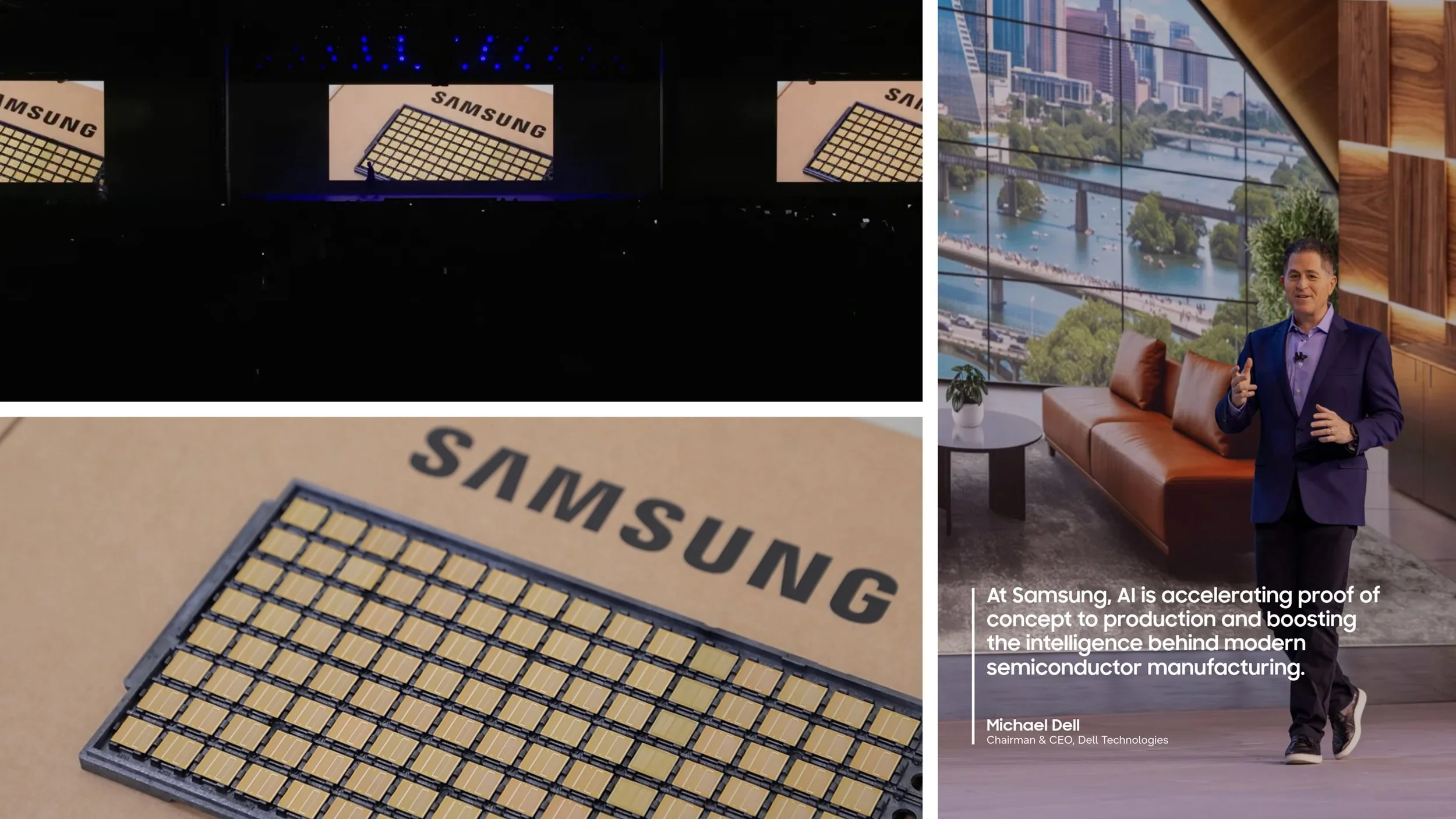
AI models are only as powerful as the infrastructure that feeds them. To bring that idea to an enterprise audience, I directed a narrative film that shifts focus from algorithms to the underlying hardware that makes Enterprise AI possible, visualizing how Samsung's next-generation memory and latest NAND keep GPUs and accelerators fully utilized, reduce bottlenecks, and scale AI workloads efficiently. By pacing dense technical concepts through a deliberate motion hierarchy and synchronizing typography with the flow of data through the stack, the piece translates the Samsung × Dell co-engineering story into a narrative with a clear understanding of why hardware choices determine whether an AI stack can truly keep up with the "AI demand."
Motion Design by
Eugene See, GB Films
Messaging by
Cherie Britt, Kimberly Lien, Jieun Kim, Eugene See
Music
Valerie (Remix) by Steve Winwood